Visit Us
Activities available at Fish Springs National Wildlife Refuge include wildlife observation, wildlife photography, waterfowl hunting, and interpretation.
Location and Contact Information
Updated 9/26/2026
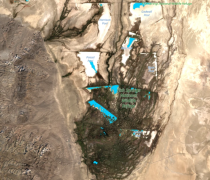
Saturday, October 10 is the beginning of Utah's Southern Zone Waterfowl Hunt Season. Here is an update on current water availability and hunter check-in conditions:
- Avocet and Mallard Units are filled nearly at target levels.
- Shoveler, Pintail, and Curlew Units are actively filling.
- Harrison Unit is currently dry due to a scheduled prescribed burn prescribed burn
A prescribed burn is the controlled use of fire to restore wildlife habitat, reduce wildfire risk, or achieve other habitat management goals. We have been using prescribed burn techniques to improve species habitat since the 1930s.
Learn more about prescribed burn .
If you are heading out to hunt at Fish Springs National Wildlife Refuge this season, you will notice the hunter check-in log sheets are back at the kiosk near the Refuge entrance (left side box). The Refuge is asking hunters to take a few minutes to record their visit and harvest information when they are out on the Refuge.
Hunter logs give staff a better picture of how the Refuge is being used throughout the season, where hunting activity is occurring, and what species are being harvested. Those observations also help inform future habitat management decisions and give staff and the public another way to understand how wildlife are using Fish Springs.
For more information on hunting regulations, please visit the Utah Waterfowl Guidebook: https://wildlife.utah.gov/guidebooks
About Us
The area Fish Springs National Wildlife Refuge lies within played a part in many important historic activities including being a home and resupplying spot for the nomadic Goshute, and the resupplying post for the Pony Express, Central Overland Stage, and the Lincoln Highway. The Refuge provides managed wetland habitats for a diversity of species, with priority given to a variety of migratory birds, including wading birds, shorebirds, and waterfowl, as well as to species at risk of becoming listed as federally endangered.
What We Do
Wildlife conservation is at the heart of the National Wildlife Refuge System. It drives everything on U.S. Fish and Wildlife Service lands and waters managed within the Refuge System, from the purposes for which a National Wildlife Refuge is established to the recreational activities offered to the resource management tools used. Using conservation best practices, the Refuge System manages Service lands and waters to help ensure the survival of native wildlife species.
Our Species
The Refuge’s establishing purpose is for migratory bird management within the Pacific Flyway. Early management focused on providing habitat for nesting and resting waterfowl. Over time, habitat management broadened into meeting the needs of a wider diversity of species, with emphasis on wetland-dependent migratory birds and species at risk to being listed as endangered. Fish Springs National Wildlife Refuge is currently evaluating its priority species as part of a habitat management planning process.